


By: Gabrielle Luoma CPA, CGMA
By: Gabrielle Luoma CPA, CGMA
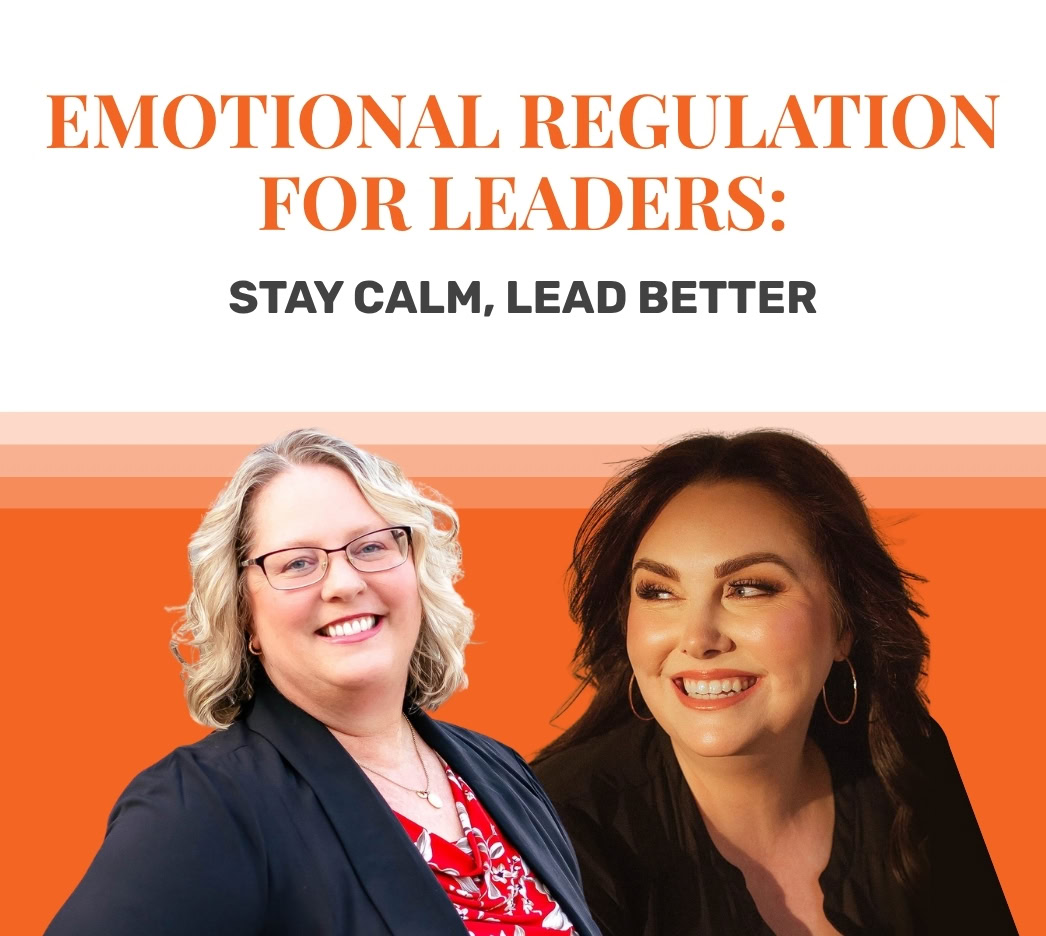
As featured on the Entrepreneurship Uncovered podcast, this conversation between Gabrielle Luma, CEO of MOD VENTURES LLC, and Juliet Cornelia, founder of Resilient Spark, dives into the critical and often overlooked skill of emotional regulation in leadership. Together, they explore the nervous system’s role in leadership, how burnout shows up, and the practices that can help leaders navigate stress and uncertainty with more confidence.
Why Emotional Regulation Is a Leadership Skill
Today’s entrepreneurs and executives are navigating a reality unlike any generation before. With post-pandemic recovery, the AI revolution, and the constant speed of change, leaders are under immense pressure to perform, pivot, and persevere. While strategy and execution matter, Juliet argues that true leadership begins in the body, not just in the boardroom.
“So much of our integration, learning, and creativity comes when we pause for a second,” she says. “Real leadership starts in your body.”
Stress, overwhelm, and burnout aren’t just buzzwords. They are biological realities that affect how we think, respond, and lead. Recognizing how your nervous system reacts under pressure, and how to regulate it, is a foundational leadership skill that many never learn.
From Burnout to Resilience: Juliet’s Story
Juliet shares her journey from a successful 15-year corporate career to founding Resilient Spark. While her role focused on developing leadership talent, she personally experienced the increasing intensity of workplace demands. Eventually, it became clear that the missing link wasn’t more coaching models or productivity hacks, it was learning how to regulate her own nervous system.
Corporate training often assumes that leaders arrive already equipped to manage stress. Juliet realized that wasn’t true, for herself or others. After experiencing chronic stress, a string of injuries, and eventual burnout, she turned to trauma recovery and resilience work. “I was one of those people,” she says. “I felt crushed.”
Through her own healing, she discovered how many leaders lack tools for managing the emotional toll of entrepreneurship. “I built Resilient Spark because I don’t want amazing leaders to sacrifice their health to be present at work.”
Recognizing the Signs: Fight, Flight, or Freeze at Work
Gabrielle and Juliet discuss how even experienced entrepreneurs can find themselves triggered by seemingly simple situations, a client email, a challenging meeting, or a performance review. Juliet points out that our nervous systems are wired for survival, not spreadsheets. What feels like a professional moment may register as danger to your body.
“You might be reacting like it’s a bear attack, when really it’s just a Slack message,” she says. “The key is building practices so fewer things feel like bear attacks.”
Self-awareness is the first step. From there, it’s about building proactive habits that create space between the trigger and the response. Juliet emphasizes the importance of being curious instead of critical when noticing stress responses.
Daily Practices to Support Regulation
One of the most powerful tools Juliet recommends is breathwork. “You can change your breath pattern without anyone noticing. It’s discreet and effective.” Whether you’re in a high-stakes meeting or a heated email thread, your breath can anchor you.
Other tools include:
- Movement: Even a short walk can help complete the body’s stress cycle.
- Pausing: Give yourself a beat before reacting. A deep breath can shift your response.
- Boundaries: Juliet encourages leaders to prioritize their needs so they can show up sustainably.
Gabrielle shares how her own shift into an active lifestyle, including protecting time for workouts, has helped her feel more grounded. “I’ve realized that when I show up for myself, I show up better for my team and clients.”
Rewriting Old Patterns
Many leaders, especially women, carry internalized beliefs about worthiness. Juliet explains that we’re often taught to associate value with output, how much we help others, how much we achieve, how much we sacrifice.
“I used to think, ‘If there’s anything left over after I serve everyone else, maybe I’ll take care of me.’ But that’s not leadership. That’s burnout.”
Unlearning these patterns is hard, but necessary. Emotional regulation helps us separate our own responsibilities from others’, avoid overfunctioning, and lead from a place of grounded confidence.
Nervous System-Informed Leadership
Juliet’s work centers on helping leaders bring nervous system awareness into the workplace. When we lead from a regulated state, we’re more effective. And when we understand how others may be dysregulated, we can approach conflict and coaching with more empathy.
She helps clients recognize when someone’s response is not about the situation at hand, but about a deeper trigger. From there, they can stay grounded, de-escalate tension, and coach more effectively.
“Leadership is helping people become the most authentic version of themselves. But we need boundaries. We need regulation. Their highs and lows are things we support, not things we own.”
Creating Sustainable Change
Juliet offers one-on-one coaching and is currently developing digital courses for leaders ready to do the inner work. Many of her clients are:
- Preparing for a career pivot
- Recovering from burnout
- Struggling to find joy in a role they once loved
Her goal is to help leaders thrive, not just survive. “We’re all a little scraped up and bruised,” she says. “But we can still move forward with clarity and passion.”
Lead Better by Starting With You
This conversation reminds us that emotional regulation is not a luxury. It’s a leadership imperative. Entrepreneurs and executives who know how to self-regulate are more resilient, creative, and effective.
Whether you’re leading a team, managing a business, or just trying to navigate the next big change, investing in your own nervous system awareness is one of the smartest moves you can make.
As Juliet puts it, “When you have options, you have choice. And when you have a choice, you have safety.”






You May Also Love

CLOSE